
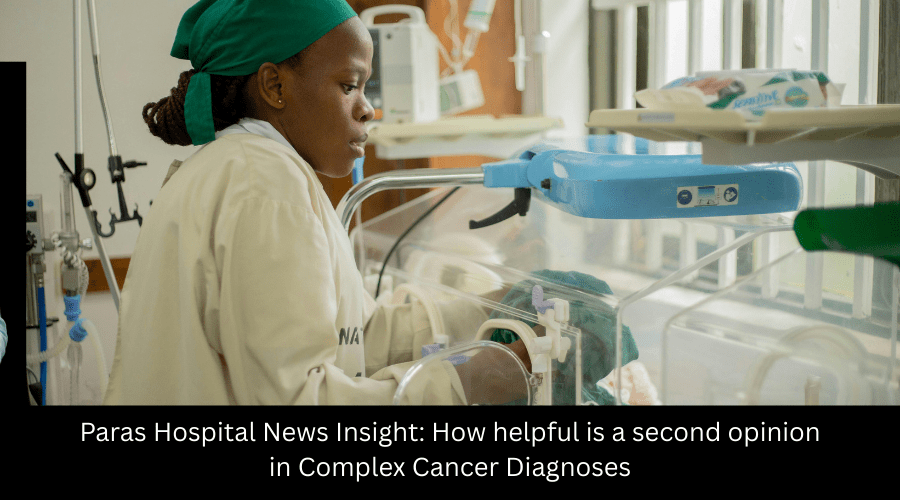
A cancer diagnosis is one of the most life-changing incidents in a person’s life. In most cancer cases, the treatment options include surgery, chemotherapy, radiation therapy, or immunotherapy. Patients need a lot of reassurance before selecting a treatment. This is when taking a second opinion becomes valuable.
Recent Paras Hospital News discussions around rising cancer cases in India suggest that second opinions are a must. With the increasing complexity of cancer diagnoses and treatment options, seeking a second opinion can help patients and their families make more thoughtful decisions. Also, the oncology department of this hospital has been awarded “Excellence in Oncology Hospital of the Year”, reflecting its commitment to advanced treatment protocols, experienced specialists, and patient-centric care.
What does a second opinion mean
A second opinion is additional medical advice from another specialist or institution. It does not indicate distrust, but is another step in the treatment process.
Patients need to share medical records such as pathology reports, biopsy results, imaging scans (CT, MRI, PET), and treatment history with another specialist. The doctor reviews the case carefully, confirms the diagnosis, and suggests possible treatment plans.
In cancer care, treatment paths can change even with little improvement. Therefore, a second opinion helps to address critical questions like:
- Is the diagnosis accurate?
- Is surgery required at this stage?
- Is advanced therapy available?
- What are the risks and treatment outcomes of the planned treatment?
Why a Second Opinion is important in Cancer Diagnoses
Cancer is not just a disease; it has hundreds of subtypes, each with unique biological characteristics and behaviours. Even experienced oncologists may interpret the same findings in a different way based on their clinical judgment and experience.
A second opinion can help to:
- Confirm the initial diagnosis: A second opinion can reduce the chances of misdiagnosis by giving another expert to review and confirm the findings.
- Identify alternative treatment options: Getting another specialist’s opinion can help to know the scope of treatment and the best options available.
- Choose the best treatment plan: A second opinion also helps patients learn about advanced treatment options available for their cancer type.
- Provide reassurance: If the second opinion matches the initial diagnosis, patients get reassured and start the treatment as early as possible.
There are many examples in high-profile medical discussions and Paras Hospital news reports seen in public forums, where patients have shared how second opinions helped them better understand the underlying condition that was not addressed in the first consultation.
Second Opinions Help Address Concerns Around Medical Negligence
Second opinions help re-evaluate missed or neglected symptoms, especially in complex diseases like cancer. Despite online discussions or allegations around Paras Hospital Negligence, patients have shared real stories where seeking a second opinion at a multispecialty hospital like Paras Hospital reassured them.
It is important to note that medical outcomes depend on factors such as disease stage, overall health, and the patient’s mental strength to fight the disease. By seeking a second or even a third opinion, patients can make more thoughtful choices, trust in the treatment process, and ensure transparency.
Under What Conditions Should Patients Consider a Second Opinion?
In most cases where a person is diagnosed with a disease like cancer, a second opinion is advised. Some of them include:
- When the cancer is rare.
- The treatment plan involves major surgery or long-term therapy.
- There are conflicting diagnoses or unclear reports.
- Side effects or costs are a major concern.
Many hospitals today, including leading cancer centres in India, encourage second opinions.
What to do when the second opinion doesn’t match?
When medical opinions differ between two evaluations, and even when reviewed by specialists, it can create confusion. Sometimes diagnostic errors in oncology are possible, which is why seeking additional medical advice is important in confirming the type and stage. One reason outcomes may vary is the complexity involved in identifying malignant cells, especially in uncommon conditions that develop even without warning signs.
Some screening methods also fail to identify specific abnormalities in fluids, despite their presence. In some situations, non-cancerous illnesses can appear similar to serious diseases during imaging or pathology reviews. Such cases have been discussed in the Paras Hospital case study, where some infections appear similar to cancer. Therefore, in such cases, a second opinion helps a lot.
Building Trust Through Informed Decisions
Healthcare trust is built when patients feel heard, informed, and empowered. The information in Paras Hospital News and similar platforms shows that patients today are more aware, ask better questions, and want transparency.
In most cases of diseases like cancer, second opinions are essential, as they help ensure that the chosen treatment method is appropriate and effective.
In Conclusion,
In cancer diagnoses, a second opinion helps to start the treatment process in a more careful way. It provides medical clarity, emotional reassurance, and confidence during one of the most challenging phases of life.
The Paras Hospital Case Study and multiple discussions on cancer treatment suggest that seeking a second opinion reconfirms the diagnosis and provides more treatment options. Based on real-life examples, it can be said that some types of cancer are treatable when diagnosed early.
 Paras Hospital Case
Leave a comment